September 17, 2026
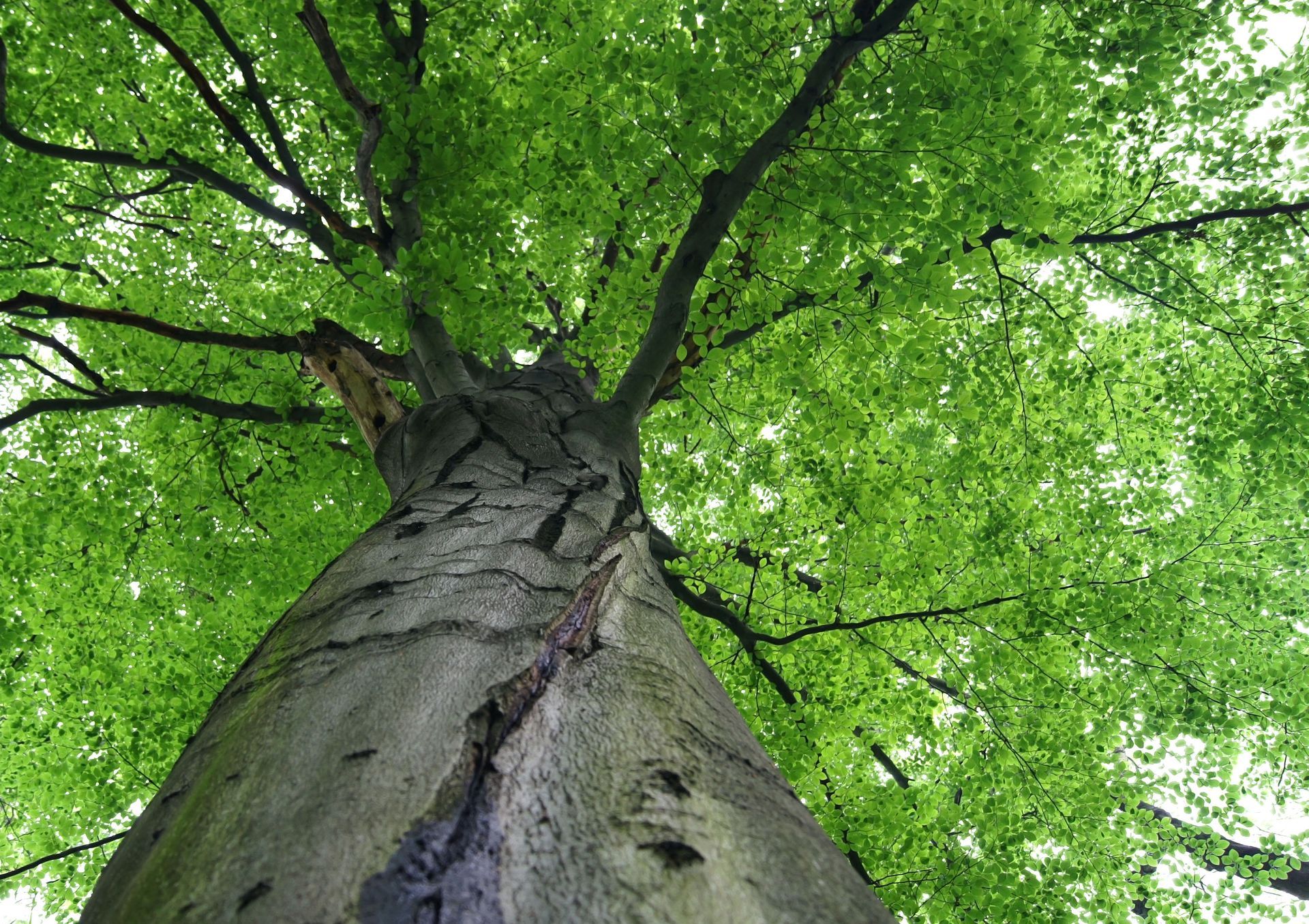
Maintaining the health and structural safety of your yard requires constant attention, proper knowledge, and early professional intervention. Engaging in routine tree care helps property owners protect their valuable environmental assets from destructive diseases, severe storm damage, and natural decline. When mature plants show signs of stress or decay, specialized arboricultural interventions can reverse these harmful symptoms and restore vibrant growth.
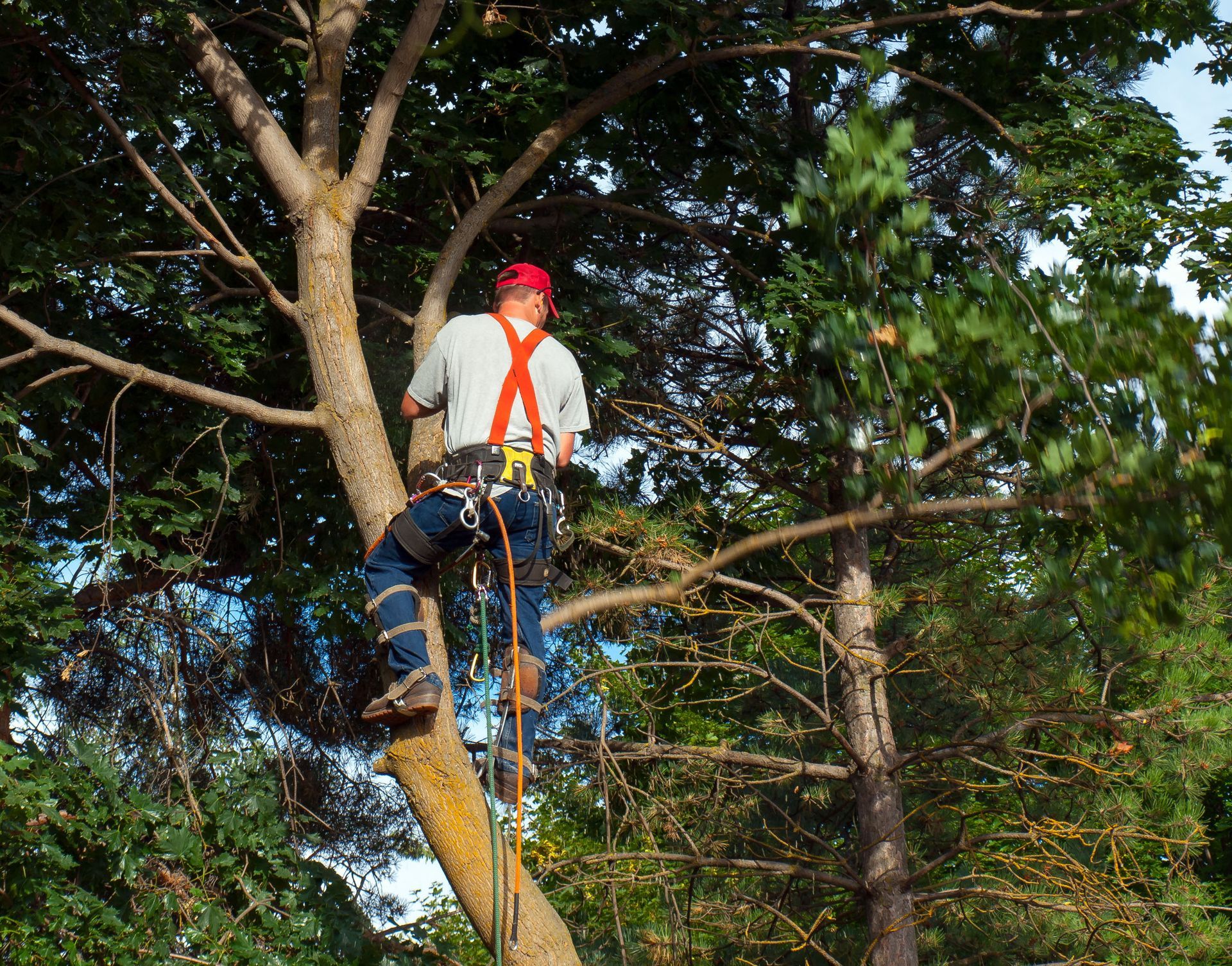
Arborists use specialized tools and proven scientific techniques to identify hidden issues long before they cause permanent damage or total collapse. Investing in proactive maintenance ensures your residential landscape remains safe, beautiful, and flourishing for many generations to come.
1. Identifying Hidden Diseases With Early Diagnostic Assessments
Detecting fungal infections, pest infestations, and root rot early is critical to rescuing compromised yard plants. Professional diagnostics involve thorough physical evaluations of bark conditions, leaf discoloration, and canopy density to uncover subtle signs of internal stress. Certified arborists collect samples and analyze soil quality to pinpoint exact environmental triggers affecting overall health.
Implementing timely tree care treatments prevents minor health issues from spreading throughout your broader landscape and causing widespread mortality. Early identification allows experts to formulate targeted recovery programs tailored to specific species requirements, ensuring that vulnerable plants receive precise nutritional or medical interventions right when they need them most.
2. Pruning Weak Branches Through Precise Crown Reduction
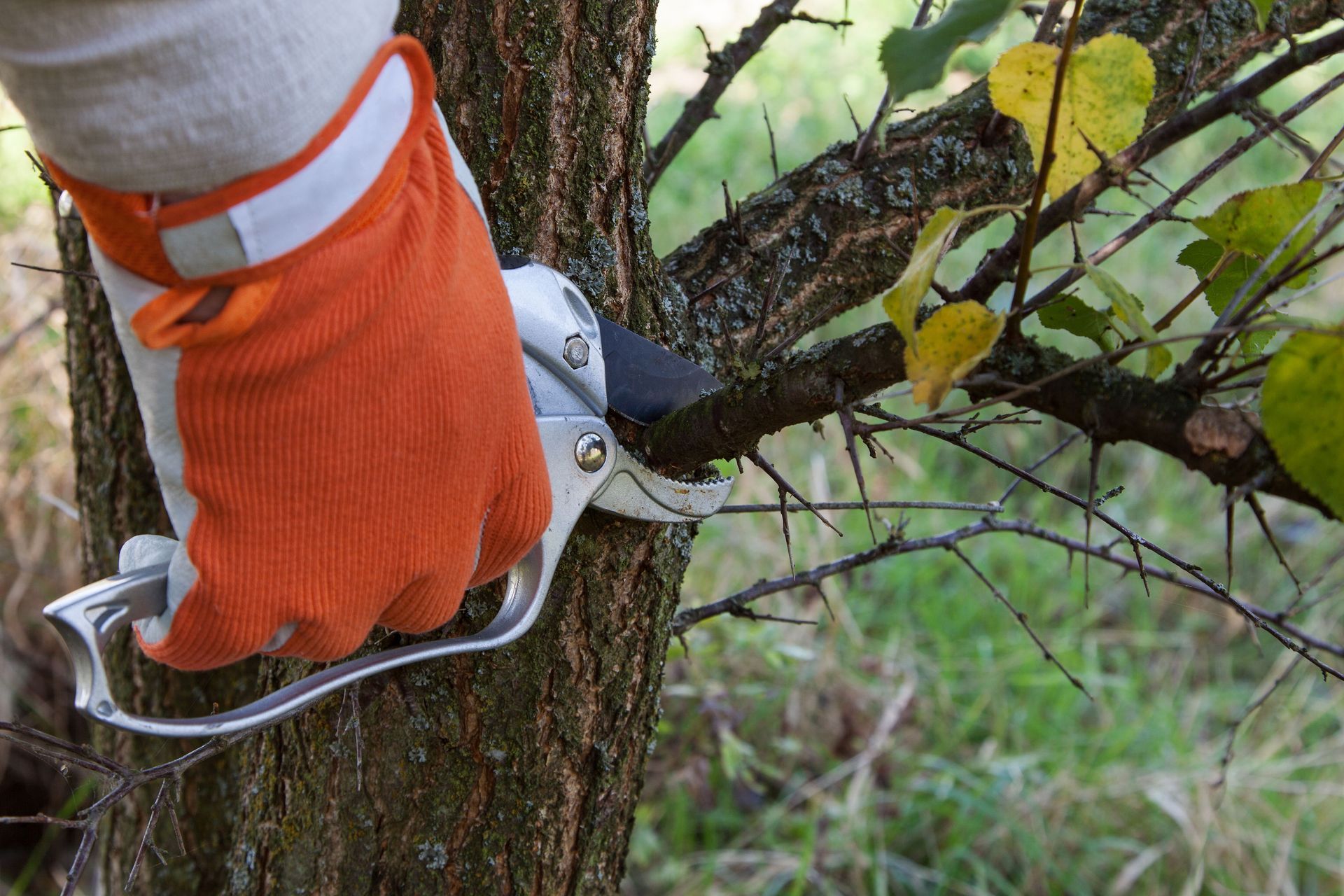
Removing dead, diseased, or overgrown limbs is essential for stabilizing structural integrity and encouraging vigorous growth. Crown reduction targets specific structural vulnerabilities, reducing weight on overextended branches while preserving natural canopy shapes. Skilled technicians use clean cutting techniques to prevent tear injuries that expose internal wood to harmful pathogens.
Proper pruning increases sunlight penetration and airflow throughout the inner canopy, creating an environment where healthy foliage can thrive. Routine tree care pruning also mitigates severe safety risks by eliminating hazardous limbs before heavy winds or winter ice storms break them off onto nearby roofs, power lines, or walkways.
3. Applying Targeted Deep Root Soil Fertilization
Replenishing depleted soil nutrients revitalizes weak root systems and improves natural resistance against environmental stressors. Deep root fertilization injects high-grade organic nutrients directly into the root zone under high pressure, breaking up compacted soil structures simultaneously. This targeted application method ensures that vital minerals reach deep absorption zones without being consumed by surface turf grass or washed away by heavy rain.
Professional tree care specialists adjust nutrient blends based on specific soil deficiencies and seasonal growth cycles. Enhancing root system vitality improves water absorption capacity, enabling mature yard plants to withstand severe drought conditions and recover from damaging insect attacks.
4. Installing Flexible Cable Supports for Structural Stability
Fragile split trunks and heavy co-dominant stems often require supplemental mechanical support systems to prevent sudden structural failure. Arborists install high-strength steel cables and flexible bracing rods to stabilize weak unions without restricting natural trunk expansion. These dynamic support systems redistribute extreme physical loads caused by high winds, heavy snowfall, or excessive fruit production across multiple strong limbs.
Integrating hardware support into ongoing tree care strategies preserves majestic specimen plants that would otherwise require complete removal due to safety hazards. Properly positioned cables allow structural movements that build wood strength while preventing catastrophic splitting along vulnerable branch unions.
5. Injecting Systemic Treatments Directly From Trunk Ports
Delivering protective chemicals directly into vascular systems offers immediate defense against aggressive wood-boring insects and leaf blights. Trunk injection methods bypass external environmental factors, placing precise microscopic doses of insecticides, fungicides, or micronutrients straight into active sap streams. This specialized tree care approach minimizes chemical drift, protecting beneficial insects, domestic pets, and nearby water features from pesticide exposure.
Vascular micro-injections quickly transport therapeutic formulas throughout entire canopies, stopping destructive pest infestations within days of application. Utilizing direct injection techniques restores weakened specimens that are failing to respond to conventional surface sprays or traditional soil drenches.
6. Aerating Compacted Soil Around Root Systems
Severe soil compaction restricts oxygen flow, limits water infiltration, and suffocates delicate absorbing roots beneath heavy foot traffic or construction zones. Air spading uses compressed air tools to loosen dense soil without damaging delicate root bark or severing main structural support roots. Aerating root zones creates porous channels that allow moisture, air, and organic compost amendments to penetrate deep into surrounding ground beds.
Incorporating root zone aeration into comprehensive tree care routines restores vital biological activity within depleted dirt layers. Creating healthier root environments encourages deep structural anchoring, increases drought tolerance, and revitalizes fading leaves throughout mature plant canopies.
7. Managing Invasive Insects With Specialized Canopy Treatments
Uncontrolled infestations of destructive pests like the emerald ash borer or spongy moth can defoliate entire canopies in weeks. Professional arborists utilize targeted canopy sprays, trunk banding, and soil drench applications to control destructive pest populations safely. Modern pest control formulations target specific life stages of damaging insects while minimizing harm to beneficial predatory bugs that assist natural ecosystem balance.
Continuous monitoring and preventative tree care applications ensure that invading insect colonies are suppressed before irreversible canopy loss occurs. Protecting foliage from severe insect damage allows plants to maintain vital photosynthetic processes, storing crucial energy reserves for future seasonal growth cycles.
8. Treating Damaged Bark From Storm Injuries
Severe weather frequently rips away large sections of bark, leaving exposed wood susceptible to wood-decaying fungi and boring beetles. Emergency wound repair involves carefully trimming torn, jagged bark edges with sharp tools to encourage clean callus tissue formation around damaged zones. Cleanly excised wounds close faster, reducing the total timeframe that internal wood remains exposed to external moisture and fungal spores.
Certified specialists assess underlying structural impacts following major storms, applying protective treatments that prevent sap loss and secondary infections. Proper wound management restores natural circulatory pathways, enabling injured specimens to repair damaged tissues and regain long-term vitality.
9. Installing Soil Moisture Barriers to Prevent Rot
Excessive water accumulation around trunk bases creates ideal breeding conditions for harmful root decay fungi like Phytophthora. Installing specialized subsurface drainage lines and moisture diversion barriers redirects standing runoff water away from sensitive root crowns. Managing ground moisture levels prevents root suffocation and stops fungal pathogens from entering soft vascular tissues.
Professional soil drainage solutions complement broader landscape protection goals by maintaining optimal moisture ratios during wet seasons. Eliminating saturated soil environments protects critical anchoring roots from rotting beneath the surface, ensuring long-term physical stability and continuous nutrient absorption during heavy rain events.
10. Removing Dead Stumps With Tarp Coverings
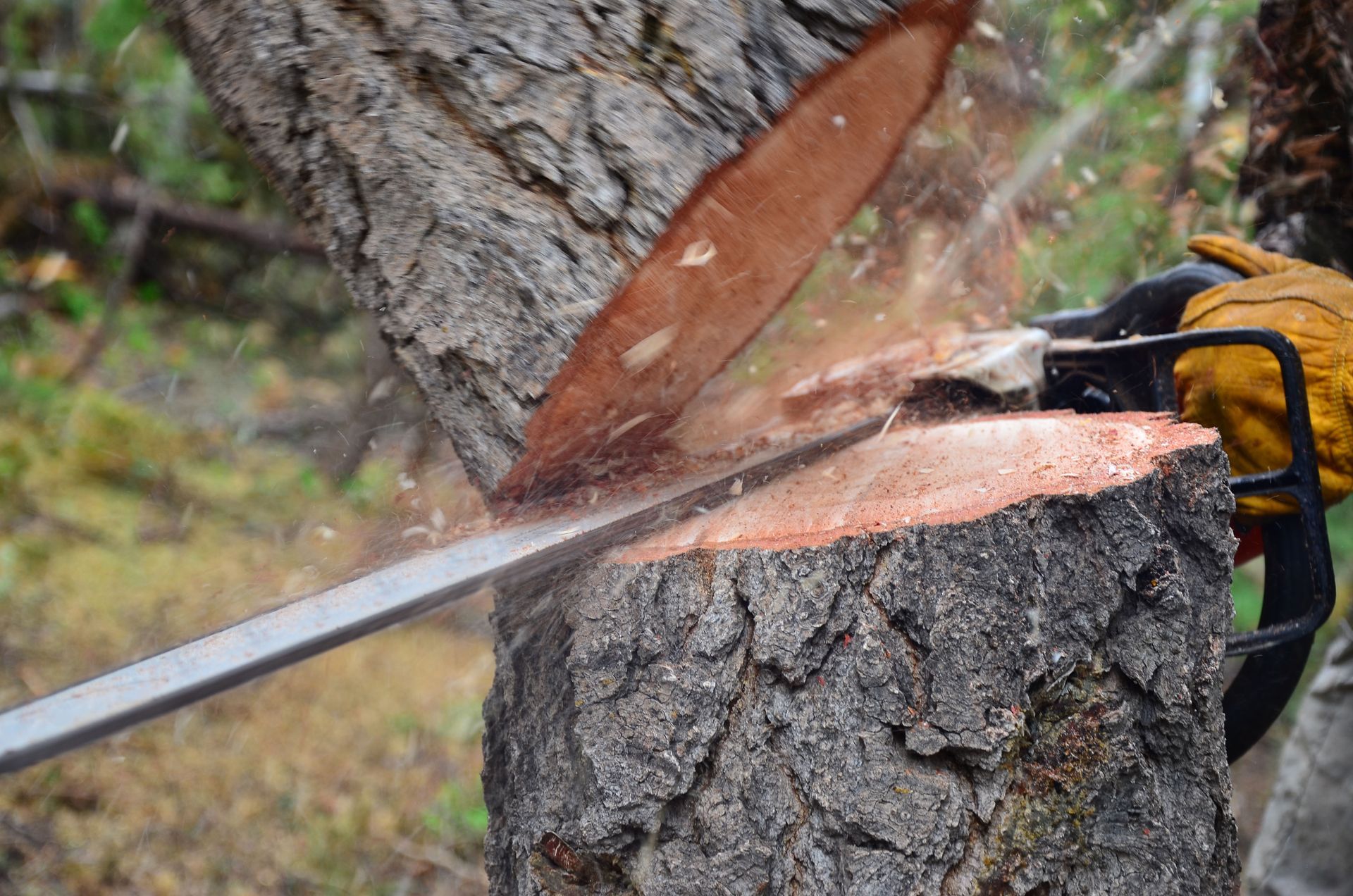
Removing old, decaying stumps eliminates breeding grounds for destructive wood-boring pests that eventually migrate toward healthy standing plants. Covering freshly cut wood with heavy, light-blocking tarps starves remaining root systems of vital solar energy required for new sapling shoots. According to Bob Vila, it can take up to 6 months for a tree stump to die if you cover it with a tarp.
Depriving subterranean root networks of light and moisture accelerates natural decomposition processes safely without using harsh chemical agents. Eliminating lingering stumps removes vector points for fungal decay, keeping your surrounding landscape clean, safe, and free from persistent pests.
Preserving the vitality and structural safety of your yard requires continuous effort, professional expertise, and timely environmental interventions. Relying on specialized services ensures that every specimen receives custom health treatments tailored to its unique growing conditions.
From advanced diagnostic assessments to structural cable installations, expert arborists possess the knowledge needed to rescue declining plants and prevent catastrophic failures. Utilizing proactive maintenance strategies defends your investment against destructive insect pests, severe weather damage, and soil compaction issues.
Prioritizing routine care transforms your outdoor landscape into a safe, thriving environment where mature trees can flourish gracefully for decades. Are you seeking professional tree services in the Lake of the Ozarks area? Col-Yer Tree Care LLC has you covered with all things tree-related! Contact us today to schedule a service appointment.